


Introduction
As the world struggles with climate change and the urgent need to reduce greenhouse gas emissions, biofuels have emerged as a promising alternative to traditional fossil fuels. These renewable energy sources, derived from organic materials, offer a pathway toward energy independence while potentially reducing our carbon footprint. From corn-based ethanol to advanced algae-derived fuels, biofuels represent a diverse and evolving field that could reshape how we power our transportation systems and economies.
What Are Biofuels?
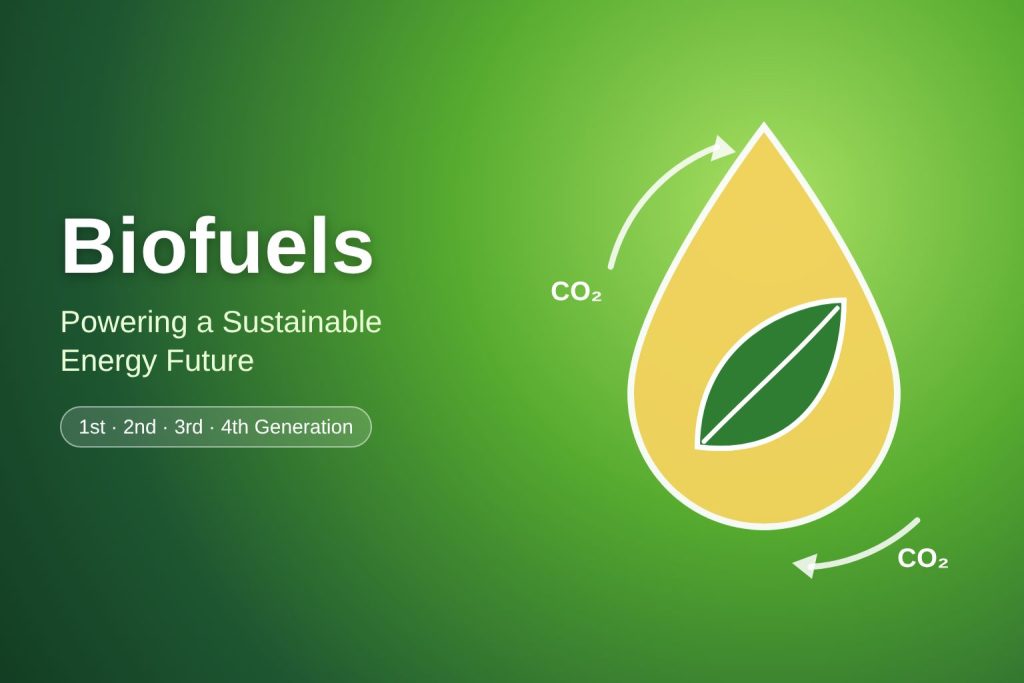
Biofuels are liquid or gaseous fuels produced from renewable biological resources, known as biomass. Unlike fossil fuels that formed over millions of years from ancient organic matter, biofuels are created from recently living organisms or their metabolic byproducts. This fundamental difference means that the carbon dioxide released when biofuels are burned was recently absorbed from the atmosphere by the source plants, creating a potentially carbon-neutral cycle.
Types of Biofuels
First-Generation Biofuels
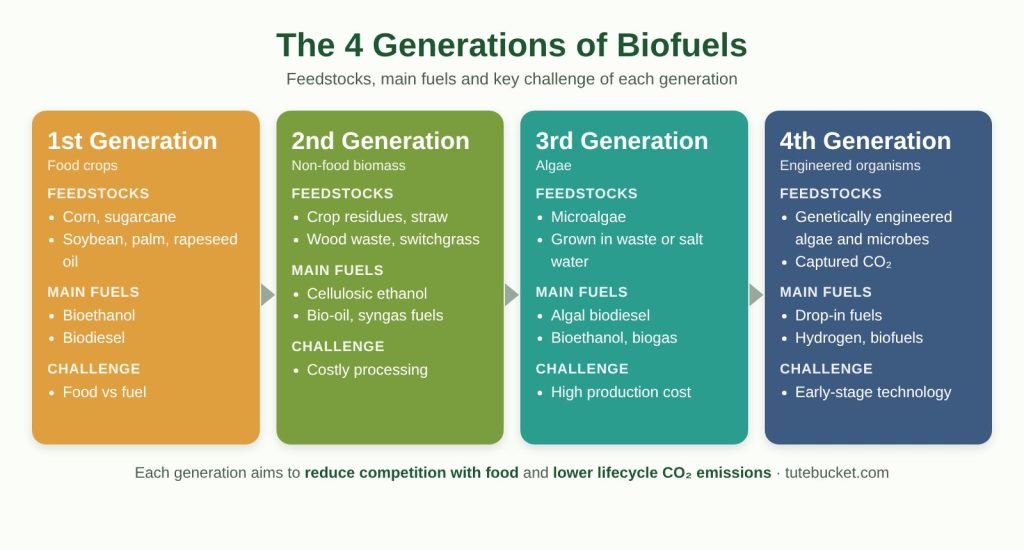
First-generation biofuels are produced from food crops and represent the earliest and most commercially developed forms of biofuel. Ethanol, typically derived from corn, sugarcane, or other sugar-rich crops, is the most common example. In the United States, corn ethanol dominates the market, while Brazil has successfully built its biofuel industry around sugarcane ethanol.
Biodiesel represents another major category of first-generation biofuels. Produced from vegetable oils, animal fats, or recycled cooking oils, biodiesel can be used in diesel engines with little or no modification. Common feedstocks include soybeans, palm oil, rapeseed, and jatropha.
While first-generation biofuels have proven commercially viable and have established supply chains, they face significant criticism for competing with food production. The “food versus fuel” debate highlights concerns about using agricultural land and crops for energy production when global food security remains a pressing issue.
Second-Generation Biofuels
Second-generation biofuels address many of the concerns associated with their predecessors by utilizing non-food biomass sources. These advanced biofuels are produced from agricultural residues, forestry waste, dedicated energy crops grown on marginal lands, and municipal solid waste.
Cellulosic ethanol represents a major breakthrough in this category. Unlike corn ethanol, which uses only the grain, cellulosic ethanol can be produced from the entire plant, including stems, leaves, and other cellulosic materials. This approach dramatically increases the potential feedstock supply without directly competing with food production.
Lignocellulosic biomass, which includes wood chips, agricultural residues like corn stover and wheat straw, and energy crops such as switchgrass and miscanthus, offers enormous potential. However, breaking down the complex cellulose and lignin structures in these materials requires sophisticated processing technologies, making second-generation biofuels more expensive to produce than their first-generation counterparts.
Third-Generation Biofuels
Third-generation biofuels represent the cutting edge of biofuel technology, with algae-based fuels leading the way. Algae offer several compelling advantages: they can produce significantly more oil per acre than traditional crops, they don’t require fertile agricultural land, and they can be grown using wastewater or saltwater.
Despite their promise, algae-based biofuels face substantial technical and economic challenges. The costs of cultivation, harvesting, and processing remain high, and scaling up production to commercially viable levels has proven difficult.
Fourth-Generation Biofuels
Fourth-generation biofuels represent the latest advancement in renewable energy technology, focusing on sustainability and environmental impact. Unlike previous generations, which often rely on food crops or compete with agricultural land, fourth-generation biofuels are produced using genetically engineered microorganisms or algae that can absorb carbon dioxide during the production process, effectively creating a carbon-negative fuel. These biofuels are designed to be more efficient and environmentally friendly, with the potential to significantly reduce greenhouse gas emissions. Additionally, they often utilize non-arable land and waste biomass, further minimizing competition with food production and contributing to a circular economy.

Production Processes
Biochemical Conversion
Biochemical conversion processes use enzymes, bacteria, or other microorganisms to break down biomass into fuel components. Fermentation, the process used to produce ethanol, is the most familiar example. During fermentation, yeast converts sugars into ethanol and carbon dioxide under controlled conditions.
For cellulosic materials, the process is more complex. Pretreatment breaks down the lignin barrier, enzymatic hydrolysis converts cellulose into simple sugars, and fermentation produces ethanol.
Thermochemical Conversion
Thermochemical processes use heat and chemical reactions to convert biomass into fuel. Pyrolysis involves heating biomass in the absence of oxygen to produce bio-oil, syngas, and char. The bio-oil can be upgraded to transportation fuels through further refining processes.
Gasification converts biomass into synthesis gas (syngas), a mixture of hydrogen and carbon monoxide, which can then be converted into liquid fuels through Fischer-Tropsch synthesis or other catalytic processes. This approach can produce diesel-like fuels, jet fuel, and other petroleum substitutes.
Transesterification
Transesterification is the primary method for producing biodiesel from vegetable oils or animal fats. The process involves reacting triglycerides with methanol or ethanol in the presence of a catalyst to produce fatty acid methyl or ethyl esters (biodiesel) and glycerol as a byproduct.
Triglyceride + 3 Methanol → 3 Fatty acid methyl esters (biodiesel) + Glycerol
The reaction is usually catalysed by a base such as sodium hydroxide or potassium hydroxide. Because three ester molecules form from each triglyceride, three moles of methanol are needed for every mole of oil, and an excess is normally used to push the reaction to completion.
Environmental Impact and Sustainability
The environmental impact of biofuels is complex and varies significantly depending on the feedstock, production methods, and local conditions. While biofuels offer the potential for reduced greenhouse gas emissions compared to fossil fuels, the actual environmental benefits depend on numerous factors throughout the entire lifecycle.
Carbon Footprint Analysis
Lifecycle assessments of biofuels must consider carbon emissions from land use changes, agricultural practices, processing, and transportation. First-generation biofuels typically show modest greenhouse gas reductions compared to gasoline.
Second-generation biofuels generally offer greater emission reductions because they often utilize waste materials or grow on marginal lands that wouldn’t otherwise be used for agriculture. Cellulosic ethanol can potentially reduce greenhouse gas emissions compared to gasoline.
Water Usage and Quality
Biofuel production can have significant impacts on water resources. Irrigation for energy crops, processing requirements, and potential water quality effects from agricultural runoff all contribute to the water footprint of biofuels. Algae-based biofuels may offer advantages in this area, as some systems can utilize wastewater or saltwater.
Biodiversity and Land Use
The expansion of biofuel production can affect biodiversity through habitat conversion and changes in agricultural practices. However, some biofuel systems, particularly those using diverse native plant communities or integrated with existing agricultural systems, may provide habitat benefits and support biodiversity conservation.
Economic Considerations
The economics of biofuels are influenced by feedstock costs, processing efficiency, government policies, and oil prices. Production costs vary widely among different biofuel types and production scales. While first-generation biofuels have achieved cost competitiveness in some markets, advanced biofuels generally remain more expensive than conventional fuels.
Challenges and Limitations
Despite their potential, biofuels face several significant challenges that must be addressed for widespread adoption.
Technical Challenges
Advanced biofuels, particularly those from cellulosic materials and algae, face substantial technical hurdles. Enzyme costs for cellulosic ethanol production remain high, and algae cultivation and harvesting technologies need further development to achieve commercial viability.
Competition with Food Production
The food versus fuel debate remains contentious, particularly for first-generation biofuels. As global population grows and climate change affects agricultural productivity, using food crops for fuel production raises ethical and practical concerns.
Policy and Regulatory Uncertainty
Changing government policies and regulations create uncertainty for biofuel investors and producers. Long-term policy stability is essential for encouraging the substantial investments needed for advanced biofuel development.
Future Prospects and Innovations
The future of biofuels lies in continued technological advancement and the development of more sustainable production systems. Several promising areas of research and development are emerging.
- Sustainable aviation fuel (SAF): aircraft are difficult to electrify, so jet fuel made from biomass – especially from waste oils and fats through hydroprocessing – is being blended with conventional jet fuel to cut aviation emissions. (EASA: What are sustainable aviation fuels?)
- Engineered microorganisms: synthetic biology is being used to modify yeast, bacteria and algae so that they produce “drop-in” fuels, such as biobutanol and diesel-like hydrocarbons, that can replace petroleum fuels without engine changes.
- Waste-to-fuel technologies: used cooking oil, food waste, agricultural residues and municipal solid waste can be turned into biodiesel, bioethanol or biogas, avoiding competition with food crops.
- Integrated algae systems: growing algae alongside wastewater treatment or using carbon dioxide captured from industrial flue gases could reduce cultivation costs while cleaning water and air.
- Integrated biorefineries: like oil refineries, biorefineries can produce fuels together with chemicals, bioplastics and animal feed from the same biomass, making production more economical.
- Cheaper enzymes and pretreatment: research into more efficient enzymes and lignin-removal methods aims to lower the cost of cellulosic ethanol.
Conclusion
Biofuels represent both a significant opportunity and a complex challenge in the transition to sustainable energy systems. While they offer the potential to reduce greenhouse gas emissions and provide renewable alternatives to fossil fuels, their development must be pursued thoughtfully to avoid unintended consequences.
The future success of biofuels will depend on continued technological advancement, sustainable production practices, and supportive policy frameworks. Second, third, and fourth-generation biofuels show particular promise for addressing many of the limitations of current biofuel systems.
The path forward requires collaboration among researchers, policymakers, industry stakeholders, and communities to develop biofuel systems that truly serve the goal of sustainable development while meeting our energy needs. With continued innovation and thoughtful implementation, biofuels can contribute to a cleaner, more secure energy future for generations to come.
Frequently Asked Questions
What are biofuels?
Biofuels are liquid or gaseous fuels made from biomass – recently living plants, algae or organic waste. Common examples are bioethanol, biodiesel and biogas.
Are biofuels carbon neutral?
Not automatically. The CO₂ released when such a fuel burns was recently absorbed by plants, but fertiliser use, land-use change, processing and transport all add emissions. The overall benefit depends on the full lifecycle of each fuel.
What is the difference between first- and second-generation biofuels?
First-generation fuels are made from food crops such as corn, sugarcane and vegetable oils. Second-generation fuels use non-food biomass such as crop residues, wood waste and energy grasses, so they do not compete directly with food production.
How is biodiesel made?
Biodiesel is made by transesterification: vegetable oils or animal fats (triglycerides) react with methanol in the presence of a catalyst to form fatty acid methyl esters (biodiesel) and glycerol.
What are the main disadvantages of these fuels?
The main challenges are competition with food crops, high production costs for advanced fuels, water and land use, and uncertainty in government policies.